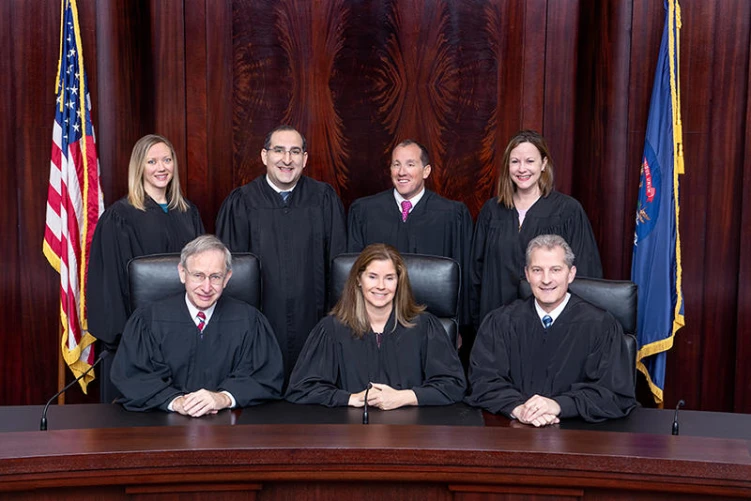
Choosing a career path is one of the most critical decisions an individual can make, shaped by considerations of job stability, earning potential, intellectual challenge, and social impact. In recent years, the legal field has experienced a significant resurgence in popularity, attracting aspiring professionals from diverse academic and professional backgrounds. Far from being a static or dusty profession, the legal sector has evolved into a dynamic, multi-faceted landscape that intersects with nearly every aspect of modern society. From high-stakes corporate transactions to community-based advocacy, legal professionals play an essential role in maintaining order, enforcing rights, and guiding individuals and businesses through complex systems.
The surging interest in legal careers is driven by a combination of economic factors, societal shifts, and the sheer versatility of a legal education. In an increasingly regulated world, the demand for specialized legal expertise continues to rise across virtually every sector. Furthermore, the legal field offers a unique intersection of analytical problem-solving, interpersonal advocacy, and intellectual growth. Whether an individual aspires to stand in a courtroom, advise multinational corporations, or support families through sensitive life transitions, a career in law provides a clear, respected, and highly impactful professional trajectory.
Growing Demand for Skilled Legal Representation

The modern landscape is governed by an increasingly intricate web of statutes, administrative regulations, and judicial precedents. As local, national, and international laws grow more complex, the need for qualified, highly skilled legal counsel has expanded exponentially across both the private and public sectors. Individuals and corporate entities alike recognize that navigating legal disputes or regulatory requirements without professional guidance carries immense financial and operational risks. Consequently, the demand for specialized attorneys who understand the nuances of specific statutory frameworks remains consistently strong.
This growing demand is particularly evident in personal injury law, where injured individuals face steep challenges when going up against large insurance corporations. Following motor vehicle collisions, victims often deal with severe physical trauma, lost income, and mounting medical debts. Identifying the best car accident attorneys becomes paramount for injured parties seeking fair compensation. Skilled litigators conduct meticulous accident reconstructions, gather medical evidence, negotiate aggressively with insurance adjusters, and present compelling arguments in court. The measurable, life-changing results that talented litigators achieve for their clients highlight the enduring social and economic value of the legal profession, driving many ambitious students toward civil litigation.
Helping Injured Clients Navigate Complex Claims
Civil justice relies heavily on the principle that individuals harmed by the negligence or wrongdoing of others deserve financial recovery and accountability. Personal injury law encompasses a broad spectrum of cases, ranging from slip-and-fall incidents and medical malpractice to defective product liability and workplace injuries. For everyday citizens, attempting to negotiate with insurance companies after a traumatic incident is overwhelming, as corporate claims adjusters often employ tactics designed to minimize payouts or deny claims entirely.
Legal professionals who choose this path serve as vital advocates for vulnerable individuals during their most difficult moments. Dedicated personal injury attorneys evaluate the full extent of a client’s damages, calculating not only immediate emergency room bills but also future medical needs, diminished earning capacity, physical pain, and emotional distress. By translating complex medical records and economic projections into clear legal claims, these professionals level the playing field between individual victims and powerful institutions. The opportunity to combine rigorous investigative work with direct, direct-impact human advocacy makes civil personal injury practice an extraordinarily rewarding choice for prospective law students.
Protecting Individual Rights During Serious Legal Challenges

At the core of a democratic society is the principle that every person accused of a crime is presumed innocent until proven guilty beyond a reasonable doubt. The criminal justice system possesses immense authority, including the power to deprive individuals of their property, personal liberty, and reputation. Facing government prosecution is one of the most stressful experiences a person can endure, making constitutional defense representation a cornerstone of the legal system.
Attorneys specializing in criminal defense serve as the essential shield between the state and the individual. A seasoned criminal attorney scrutinizes law enforcement procedures, verifies whether constitutional rights were respected during searches and arrests, evaluates the reliability of prosecution evidence, and constructs robust defense strategies. Whether negotiating plea agreements or litigating before a jury, defense counsel ensures that procedural justice is upheld. The profound duty of protecting constitutional liberties and preserving human dignity makes criminal defense one of the most intellectually rigorous and emotionally compelling fields in law.
Guiding Clients Through Financial Restructuring
Economic volatility, unexpected job losses, medical emergencies, and market shifts can plunge even responsible individuals and families into severe financial distress. When debt burdens become unmanageable, federal bankruptcy laws provide a structured, lawful mechanism for relief and financial rehabilitation. Consumer bankruptcy law requires a deep understanding of financial instruments, statutory exemptions, tax implications, and court procedures.
Legal practitioners specializing in consumer insolvency guide debtors through the multi-step process of reorganizing their finances. A knowledgeable chapter 13 attorney helps individuals retain primary assets—such as family homes and personal vehicles—by establishing manageable, court-approved repayment plans spanning three to five years. These legal professionals analyze household budgets, negotiate with mortgage lenders and credit card companies, and halt foreclosure proceedings or wage garnishments. By offering a clear path toward financial recovery, bankruptcy professionals provide invaluable relief to distressed clients, combining financial acumen with empathetic counseling.
Supporting Families Through Major Life Transitions

Family law addresses some of the most personal, emotionally sensitive aspects of human life, including marriage dissolution, child custody, spousal support, property division, and adoption. When domestic relationships dissolve, the legal system provides the framework necessary to resolve disputes, protect vulnerable family members, and establish fair, sustainable arrangements for the future. Because domestic matters blend legal doctrine with deep emotional dynamics, practice in this area demands exceptional interpersonal skills alongside legal expertise.
Attorneys practicing in this area must maintain objectivity and composure while guiding clients through high-stress transitions. Compassionate divorce lawyers work to minimize destructive conflict whenever possible through structured mediation, collaborative negotiation, and pre-trial settlements. When amicable agreements cannot be reached, they advocate assertively in court to protect their clients’ parental rights and financial interests. The ability to help clients navigate painful life changes and emerge with security and structure makes family law a deeply fulfilling career path for those called to personal advocacy.
Defending Clients Facing Driving-Related Charges
Traffic offenses and impaired-driving allegations carry severe consequences that extend far beyond courtroom fines. A conviction for driving while intoxicated or driving under the influence can result in mandatory driver’s license suspensions, skyrocketing insurance premiums, mandatory ignition interlock devices, and potential jail time. Moreover, a criminal record stemming from a driving offense can harm employment opportunities, professional licensing, and personal standing in the community.
Practicing defense in driving-related cases requires specialized technical and scientific knowledge. Highly effective dwi lawyers must understand the mechanical calibration of breathalyzer machines, the physiological principles behind blood alcohol testing, and strict law enforcement protocols for field sobriety evaluations. Defense attorneys challenge improper traffic stops, identify gaps in toxicological evidence, and present technical defenses to protect their clients’ driving privileges and personal freedom. The technical complexity and fast-paced nature of this practice area continue to attract legal talent seeking dynamic courtroom work.
Offering Diverse Career Paths Under One Professional Roof

One of the greatest appeals of the legal field is its incredible breadth. A single legal education opens doors to dozens of distinct practice areas, work environments, and career structures. Rather than forcing professionals into a rigid, singular role, the legal sector offers options ranging from solo general practices and public interest organizations to corporate legal departments and large international partnerships.
The cornerstone of private practice remains the law firm ecosystem, which provides structured career progression for legal professionals. Modern law firms bring together specialized departments—such as corporate transactions, intellectual property, labor and employment, tax, and commercial litigation—under one roof. This collaborative structure allows attorneys to hone deep expertise in specific practice niches while leveraging the collective resources, institutional knowledge, and mentorship of a broader team. The versatility of legal credentials ensures that professionals can pivot across practice areas or transition into business, policy, or executive leadership throughout their careers.
Helping Businesses Navigate Expansion and Ownership Agreements
Commercial growth and entrepreneurship are built upon a foundation of clear contracts, regulatory compliance, and protected intellectual property. As companies expand regionally, nationally, or globally, they rely heavily on corporate counsel to structure business entities, negotiate joint ventures, manage employment regulations, and safeguard brand assets. Commercial law combines strategic business thinking with strict legal compliance, appealing to professionals interested in corporate strategy.
A prominent example of specialized corporate practice is the field of franchise law. Expanding a business model through franchising involves navigating complex federal and state disclosure regulations, drafting detailed Franchise Disclosure Documents (FDDs), and establishing long-term franchise agreements. Corporate attorneys specializing in this niche advise both franchisors looking to scale their brand and prospective franchisees evaluating commercial opportunities. By structuring equitable business relationships and protecting commercial investment, corporate legal advisors play a direct role in driving economic growth and business innovation.
Providing Support During the Pretrial Process
The legal ecosystem extends well beyond attorneys and judges to encompass a wide network of supporting institutions, administrative professionals, and legal service providers. In the criminal justice process, ensuring that accused individuals can secure pretrial release while guaranteeing their appearance at future court hearings is a critical structural function. The pretrial phase involves a delicate balance between public safety considerations and the constitutional right to reasonable bail.
Commercial bail bonds play a key role within this system, offering a practical financial mechanism for defendants who lack the liquid capital necessary to post full cash bail directly with the court. Licensed surety agents review court orders, evaluate risk factors, and post financial guarantees on behalf of defendants. By facilitating pretrial release under structured financial guarantees, the bail bond mechanism allows individuals to return to their families and jobs while preparing their legal defense alongside their attorneys. Understanding the mechanics of the pretrial release process gives legal professionals and support specialists valuable insight into the practical realities of criminal procedure.
Creating Career Opportunities in Legal Support Services
As the volume and complexity of legal matters increase, the demand for non-attorney legal support services has experienced rapid growth. The legal field offers robust, high-demand career paths for paralegals, legal assistants, compliance officers, court reporters, jury consultants, and specialized administrative agents. These professionals perform essential operational, research, investigative, and administrative duties that keep law offices, courts, and corporate compliance departments running smoothly.
Within the judicial support ecosystem, established bail bond agencies provide critical operational infrastructure for the criminal court system. These agencies employ risk assessors, administrative specialists, skip tracers, and compliance officers who operate 24/7 to manage client intake, verify court calendars, and coordinate with judicial clerks and law enforcement facilities. Career opportunities across the legal support sector appeal to individuals who seek meaningful, stable involvement in the justice system without completing a three-year Juris Doctor degree. The expansion of legal support roles underscores the overall vitality, diversity, and economic strength of the broader legal industry.
Careers in law are growing in popularity because they offer a rare combination of intellectual challenge, professional diversity, societal impact, and financial stability. Whether defending individual rights in a criminal courtroom, guiding families through sensitive transitions, advising expanding businesses, or managing essential support operations, legal professionals perform indispensable functions in modern society.
As economic systems become more complex and regulatory frameworks expand, the legal industry will continue to evolve, offering new, dynamic opportunities for the next generation of legal talent. For those motivated by analytical problem-solving, persuasive communication, and principled advocacy, pursuing a career in the legal field remains one of the most rewarding and impactful paths available.
In addition to providing immediate client advocacy and business strategy, legal training serves as an unparalleled launching pad for public service, civic leadership, and systemic reform. Throughout history, legal professionals have leveraged their deep understanding of statutory frameworks and constitutional principles to shape public policy, draft legislation, and lead community organizations. For individuals driven by a desire to enact broad social change, a background in law provides the exact analytical tools, persuasive authority, and institutional knowledge needed to address complex societal challenges on a macro level.
Beyond traditional courtroom litigation, legal scholars and policy advocates work within government agencies, think tanks, and non-profit organizations to refine environmental regulations, advance human rights, and improve judicial efficiency. Law schools increasingly emphasize interdisciplinary studies, equipping graduates to address emerging global issues such as artificial intelligence ethics, cybersecurity privacy, and international trade law. This direct connection between legal expertise and societal progress ensures that the legal profession remains uniquely attractive to forward-thinking individuals who aspire to leave a lasting, positive mark on the world.